Exploring the Latifa Building's Role in Dubai's Real Estate
Intro
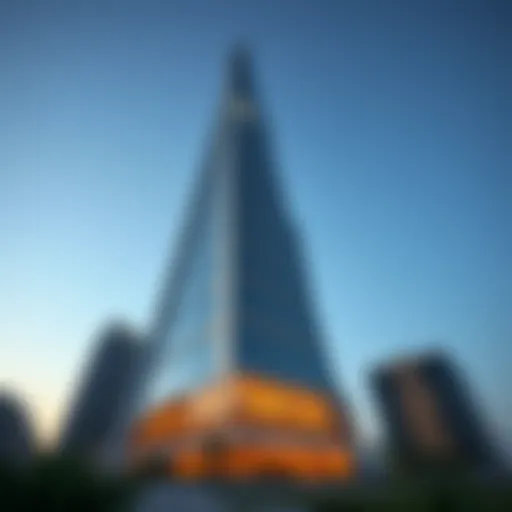
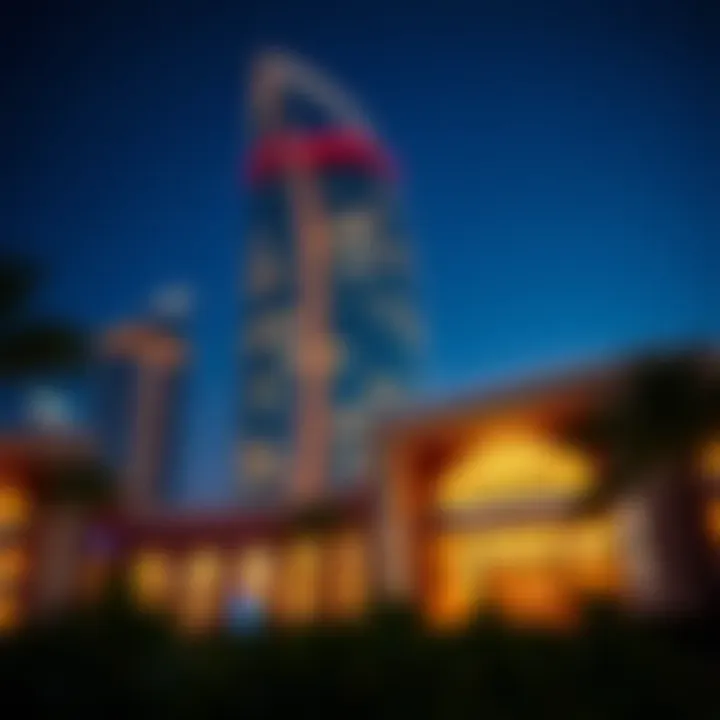
In the heart of Dubai, where opulence meets innovation, the Latifa Building stands as a testament to modern architectural brilliance. Rising majestically amidst the city's ever-changing skyline, this structure isn't just another piece of real estate; it's a cornerstone of Dubai's dynamic property landscape. From its striking facade to the technological prowess embedded in its construction, the Latifa Building represents a shift in urban design, reflecting the aspirations of a city that constantly pushes boundaries.
This article aims to dissect the importance of the Latifa Building, analyzing its architectural features and the methods behind its construction. Furthermore, we venture into the socio-economic implications of such monumental projects within Dubai's expansive real estate market. By examining these elements, we strive to furnish real estate investors and enthusiasts with a nuanced understanding of this landmark's significance and its harmonious integration into the broader economic framework of Dubai's property market.
As we navigate through the intricacies of the Latifa Building, readers will discover key insights into market trends, investment strategies, and predictions that shape Dubai's real estate future. Whether you are a seasoned investor, a buyer looking for the next big opportunity, or an agent seeking to deepen your market knowledge, this narrative serves to empower decision-making and enhance understanding of the current and future dynamics at play.
Market Trends
Current Market Overview
The real estate market in Dubai is akin to a double-edged sword; while its vibrant appeal attracts investors from across the globe, it carries inherent challenges that require keen insight. Presently, the market showcases a blend of established properties and emerging developments, with the Latifa Building positioned uniquely within this landscape. Unlike older structures, this building represents a fresh take on architectural design, melding contemporary aesthetics with functionality.
Market data indicates a gradual recovery following previous downturns. With the Dubai Expo and other international events boosting tourism and investment, demand for prime real estate is on the rise. The Latifa Building, with its strategic location and cutting-edge facilities, is becoming a sought-after destination for both commercial and residential buyers. As of now, prices in sought-after areas show a consistent uptick, creating a lucrative scenario for the discerning investor.
Future Predictions and Opportunities
Looking ahead, the Dubai real estate market is ripe with potential. Analysts predict that developments like the Latifa Building will inspire not only growth but also a shift in buyer demographics. Luxury and accessibility are becoming paramount, and the Latifa Building perhaps embodies this trend perfectly. Factors such as sustainable design, smart home technology, and community integration will shape future investments.
Investors are increasingly looking for properties that promise long-term value. The socio-economic trends around expatriate lifestyle changes, remote work adoption, and increased disposable incomes are paving the way for innovation in real estate demand. Potential buyers should keep an eye on properties that integrate green technologies, as these are likely to become more desirable moving foward.
"With every brick laid in developments like the Latifa Building, Dubai's skyline transforms not just physically, but economically, resonating far beyond its borders."
As cities evolve, so do the preferences of their inhabitants. The emphasis on community living will greatly influence future developments and investments. Therefore, savvy investors may find themselves drawn to properties that provide an inclusive experience, where leisure and lifestyle converge.
Investment Strategies
Tips for Savvy Investors
For those looking to navigate the complex waters of Dubai's real estate market, it's essential to employ shrewd strategies. Here are a few tips:
- Research Neighborhood Trends: Understand the nuances of different areas in Dubai. Potential hot spots like those surrounding the Latifa Building are worth close examination.
- Assess Building Quality: Focus on the longevity and sustainability of the properties you consider.
- Leverage Local Insights: Networking with local agents and investors can provide a wealth of insider information that's often not available in broader market reports.
- Invest in Up-and-Coming Areas: Areas that may seem less desirable now could offer substantial growth potential in the near future.
Analyzing Property Value Growth
The growth in property value is driven by several factors, including location, demand, and economic health. The Latifa Building’s emerging influence highlights how modern architecture can fuel property appreciation. Value indicators to analyze include:
- Comparative Analysis: Evaluate similar properties in the area to gauge market rates and potential growth.
- Utilization of Amenities: Buildings that offer appealing amenities such as gyms, pools, and communal spaces can boost desirability and thus value.
- Regulatory Changes: Pay attention to local laws and regulations that could impact property value. Zones designated for growth can provide significant returns.
By keeping these elements in focus, investors can position themselves to make informed decisions, allowing the Latifa Building and similar investments to pave their way to success in Dubai's evolving real estate environment.
For further understanding and insights on Dubai's architectural advancements, consider exploring resources like Wikipedia, Encyclopedia Britannica, and various reports from financial institutions focusing on this region's real estate market.
Prelude to the Latifa Building
The Latifa Building represents a cornerstone of modern design and innovation in the heart of Dubai's bustling real estate market. As Dubai continues to establish itself as a global hub of business and tourism, this structure rises not just as a fine example of architectural prowess but as a symbol of the rapid transformation the city has undergone. Understanding the Latifa Building is essential for anyone looking to grasp the intricacies of Dubai's real estate trends.
Beyond its stunning façade and exquisite design, this building embodies the ambitions of a city that desires to blend traditional elements with contemporary needs. By delving into its historical roots, architectural significance, and urban impact, one can fully appreciate what the Latifa Building contributes to the fabric of Dubai.
Historical Context of the Building
Built in a time frame that marked Dubai's ascendancy as a premier destination for expatriates and tourists alike, the Latifa Building is anchored in both time and place. The construction began in the early 21st century, coinciding with the emirate’s bold vision to diversify its economy beyond oil. Numerous architects, engineers, and laborers played vital roles in bringing this formidable structure to life. Each brick and beam can be seen as a testament to the investment and aspirations of Dubai's populace.
Historically, Dubai has transitioned from a pearl diving and fishing town into a thriving economic center. The Latifa Building signifies this leap—standing tall against a backdrop of change, embracing new trends while respecting cultural values. It aligns with other landmark developments like the Burj Khalifa and the Dubai Mall, complementing the overall dramatic skyline and reinforcing Dubai's reputation for cutting-edge architectural ventures.
Architectural Significance
When we talk about architectural significance, the Latifa Building certainly does not fall short. The structure showcases a harmonious blend of traditional Islamic motifs and modern architectural styles. Its design strays from typical high-rise structures, featuring sweeping curves and intricate patterns that draw from the region’s rich heritage. Some say it draws inspiration from the beloved desert flower, serving as a metaphor for resilience and beauty even in the harshest conditions.
The use of advanced materials and construction techniques comes to the forefront when examining this building. Energy-efficient glass and sustainable practices demarcate its design philosophy. The way natural light fills the spacious interiors makes for not only a functional use of space but serves as an aesthetic choice that communicates openness and transparency.
The Latifa Building is more than just a building; it’s a narrative of the city’s evolution. As it withstands the test of time, it will likely become a point of reference for future generations of architects and investors. Ultimately, this structure is a beacon of hope for sustainable practices, daring innovation, and cultural reverence in the world of architecture.
Design Features of the Latifa Building
The design features of the Latifa Building highlight its architectural prowess and innovation within Dubai's competitive real estate scene. From the sleek exterior to the thoughtfully crafted interiors, each aspect plays a pivotal role in not just aesthetics but also functionality, catering to a diverse clientele including investors, residents, and visitors.
Exterior Design Elements
The exterior of the Latifa Building stands out as a remarkable testament to contemporary architectural design. Characterized by its unique silhouette and harmonious proportions, the building melds effortlessly with Dubai's iconic skyline. The facade employs a mix of glass and sustainable materials, reflecting the sunlight while minimizing energy consumption. This design choice serves multiple purposes:
- Visual Appeal: The reflective surfaces create a dynamic interplay of light, changing throughout the day and providing the building with a sense of movement and life.
- Environmental Considerations: By utilizing advanced glazing techniques that reduce heat gain, the Latifa Building is mindful of its environmental footprint. Such choices resonate well with today’s growing emphasis on sustainable architecture, aligning with global trends.
- Cultural Resonance: Subtle elements in the exterior design pay homage to local architectural traditions, bridging the gap between the modern and the historical context of the region.
Moreover, landscaping surrounding the building enhances its presence. Green spaces and art installations not only improve aesthetics but also foster a sense of community, encouraging gatherings and events. In essence, the exterior design serves as both a landmark and a meeting point for the community.
Innovative Interior Layouts
Stepping inside the Latifa Building reveals a meticulously designed interior that emphasizes open space, functionality, and thematic consistency. The layout prioritizes natural light, ensuring each area is bright and inviting. Some notable features include:
- Flexible Spaces: The interior design supports a variety of usages, with adaptable spaces that can shift between formal offices, collaborative work environments, and event areas. This adaptability is particularly appealing to businesses seeking to foster creativity and collaboration among employees.
- Premium Finishes: Quality materials adorn the interiors, from polished marble flooring to custom lighting fixtures, that not only offer a sense of luxury but also durability. Such elements are crucial in maintaining both aesthetic value and practical functionality.
- Technology Integration: The incorporation of smart technology not only improves the user experience but also enhances operational efficiency. Features like automated lighting and climate control systems ensure comfort while reducing energy costs.
"The Latifa Building is not just a place to live or work; it’s a full experience, where design and functionality intertwine seamlessly in the heart of Dubai."
For more insights into architectural practices, consider visiting Encyclopedia Britannica or check community discussions on Reddit for firsthand perspectives.
Construction Techniques Employed
The construction methodologies adopted during the development of the Latifa Building are pivotal, defining not only the structure’s stability but also its environmental impact. The choice of techniques also speaks volumes about the ambition and foresight involved in Dubai’s architectural ventures. Each construction choice was intricately researched, balancing innovation with the overarching need for sustainability.
Materials and Sustainability
Sustainability took center stage in the selection of materials for the Latifa Building. Designers and engineers prioritized eco-friendly components that minimize environmental degradation. The concrete utilized, for instance, was mixed with recycled aggregates, which not only reduces the carbon footprint but also bolsters the integrity of the structure.
- Energy-efficient Glass: The façade employs specialized glass that reflects sunlight, reducing heat intake and thereby lowering energy consumption for cooling.
- Lightweight Steel Frames: The use of high-strength steel reduced the overall weight of the building, allowing for less foundational disturbance while providing durability.
Implementing sustainable materials not only enhances the building’s efficiency but also aligns with Dubai’s broader vision of fostering a green economy. As highlighted in various urban planning discussions, utilizing such materials can lead to intrinsic cost savings in the long run, due to decreased operational energy expenses.
Engineering Challenges Overcome
Building a structure as significant as the Latifa Building in the bustling heart of Dubai wasn’t without its hurdles. Engineers faced a barrage of technical challenges that required innovative solutions and outside-the-box thinking.
One major obstacle was dealing with the sandy, unstable soil prevalent in many parts of the city. To counteract this, advanced foundation technologies were utilized, including deep piling systems that reached stable strata, ensuring maximum safety and longevity for the building.
"The careful engineering decisions made during the Latifa Building's construction not only guarantee its resilience but also provide a blueprint for future structures in similar environments."
Additionally, height restrictions posed another engineering dilemma. The team had to meticulously design the structure to meet local building codes while maximizing vertical space. Implementing state-of-the-art wind mitigation strategies allowed the Latifa Building to gracefully rise amidst the towering skyline.
The combination of these advanced construction techniques and materials not only reflects modern engineering excellence but also highlights a commendable drive towards sustainability and resilience. Investors, buyers, and agents alike should take note: in an ever-evolving real estate landscape, the methodologies behind each architectural marvel truly shape their value and legacy.
Impact on the Surrounding Community
The Latifa Building stands as more than just a structural marvel; it profoundly influences the surrounding community. Its very presence serves to invigorate urban development while fostering a sense of local identity. The way the building interacts with its surroundings demonstrates the significant role architecture has in shaping not only physical space but also the social fabric of a community.
Urban Development and Growth
When a striking edifice like the Latifa Building rises on the skyline, it naturally draws attention. The allure of its design encourages other developments in the area to up their game. Think of it as raising the stakes in a game of poker. When one player puts in a substantial bet, others often feel compelled to follow suit. In this scenario, the Latifa Building inspires both local businesses and residential projects, leading to a cascading effect of urban growth.
This development is not limited to commercial interests, either. New residential areas are cropping up, aiming to accommodate the influx of professionals and families attracted to the neighborhood. More people typically mean more support for local amenities such as schools, parks, and recreational facilities. It creates a virtuous cycle: as more amenities develop, the area becomes even more desirable—thus attracting even more new residents. This multifaceted growth benefits various stakeholders, from property developers to potential buyers looking for a new home.
Moreover, by integrating cultural spaces and public gathering areas into its design ethos, the Latifa Building enhances the community's character. Art exhibitions, community fairs, and farmer’s markets are just a few examples of events that can bring residents together, fostering connections that might not have existed otherwise. In this sense, the building serves as a catalyst for community engagement.
Effects on Local Economy
The economic ripple effects generated by the Latifa Building cannot be ignored. Its construction has spurred short-term job creation, providing work for local contractors and suppliers. However, the long-term impacts are potentially even more profound. A flourishing community attracts tourists and business investors, increasing foot traffic and elevating local businesses.
Residents are likely to spend their disposable income in nearby shops, restaurants, and services. Increased demand leads to growth, which in turn creates further job opportunities. This community-centric economic model can prove to be a solid foundation, creating jobs not just in construction but also in hospitality, retail, and many other sectors.
"The Latifa Building is not just bricks and mortar; it's a landmark that has changed the game for local businesses, transforming the economic landscape in ways we are beginning to realize."
Another important aspect is the potential for increased property values in the area, sparked by the building's successful integration into the community. As more amenities and businesses crop up, home values tend to appreciate. For real estate investors and homebuyers alike, this offers an attractive proposition.
In summary, the Latifa Building does more than stand tall in the skyline. It plays a vital role in shaping the social, economic, and cultural landscape of its neighborhood. Understanding this impact is essential for investors, buyers, and all stakeholders who wish to navigate Dubai's dynamic real estate sector with insight and foresight.
The Latifa Building as a Cultural Landmark
The Latifa Building stands not just as a physical structure, but as a testament to the thriving culture of Dubai. In a city where skyscrapers are abundant, this building offers something more; it's a symbolic representation of a community's aspirations and artistic expressions. It plays a crucial role in shaping the cultural narrative of Dubai, becoming a central hub for artistic engagement and community interaction. This section delves into the facets that contribute to its stature as a cultural landmark in the urban mosaic of Dubai.
Art and Community Engagement
Art is inherently tied to the identity of any community, and the Latifa Building serves as a canvas for such expression. Various initiatives have been established to promote local artists, giving them a platform to showcase their works. Monthly art shows and exhibitions invite artists from various backgrounds to display everything from traditional Arabic calligraphy to contemporary installations. These events are not just showcases; they cultivate discourse among residents, fostering a sense of belonging and pride in local heritage.
Community engagement through art creates a bond, transgressing socio-economic barriers. It's essential for nurturing a collective identity.
The impact extends beyond the walls of the building. Local schools collaborate with the Latifa Building to provide students opportunities to engage in workshops, helping to cultivate future generations of artists. This outreach does wonders in broadening the appreciation for culture among the younger demographic, ensuring that the vibrancy of the community is passed down.
Events Hosted Within the Building
Beyond art showcases, the Latifa Building is a venue for an array of events that galvanize the community together. Regular cultural events and festivals take place within its premises, celebrating everything from Islamic culture to modern artistic endeavors. These events serve a dual purpose, entertaining while also educating attendees about the multifaceted nature of Dubai's heritage.
Notable events hosted include live performances by local musicians, poetry readings, and workshops on various art forms. Such activities not only provide entertainment but also encourage participation from residents and visitors alike.
- Annual Cultural Festival: This event attracts thousands, featuring food stalls, traditional dance performances, and art displays.
- Film Screenings: Independent films are highlighted, creating a platform for discussion and critique among aspiring filmmakers in the community.
- Workshops for All Ages: From pottery to painting, these workshops allow individuals, regardless of skill level, to engage with art.
Overall, the Latifa Building has positioned itself as more than a mere architectural achievement. It's interwoven into the daily lives of residents, acting as a facilitator of community spirit and cultural dialogue. This cultural landmark will continue to play a pivotal role as Dubai evolves, shaping the future through its engagements and events.
Investment Potential of the Latifa Building
The Latifa Building holds a pivotal role in the ever-evolving landscape of Dubai’s real estate. As one of the city’s architectural landmarks, its investment potential extends beyond mere aesthetics to embody broader socio-economic benefits. Investors and stakeholders must weigh various factors when considering the viability of this investment.
Market Analysis
To grasp the investment potential, it’s crucial to delve into a detailed market analysis. The current real estate market in Dubai is marked by both resilience and growth. Here are a few key elements to consider:
- Occupancy Rates: The Latifa Building, with its strategic location and superior amenities, boasts impressive occupancy rates compared to other structures in the vicinity. This signifies a steady demand for residential and commercial spaces in the building.
- Property Valuation Trends: Recent market data shows that property values in areas surrounding the Latifa Building have experienced a steady increase. For instance, adjacent facilities have seen value growth of approximately 5% annually over the last few years.
- Investment Return Rates: Investors often seek properties with favorable returns. The Latifa Building has shown a return rate averaging between 7-9%, making it an attractive option for those seeking stability in their portfolios.
"Investing in properties like the Latifa Building is not just about owning a piece of real estate; it’s about securing a stake in the future of Dubai’s urban narrative."
While the initial investment might be substantial, the long-term benefits suggest that this building is a wise investment option.
Real Estate Trends in the Area
Examining real estate trends is essential to ensure that investments align with market dynamics. Here are several relevant trends that are shaping the area around the Latifa Building:
- Increased Foreign Investment: Dubai continues to attract international investors, with a noticeable uptick in interest for properties near landmark buildings. This trend enhances the Latifa Building's appeal due to its iconic status.
- Shift Towards Mixed-use Developments: There’s a growing preference for mixed-use spaces, combining residential, commercial, and leisure facilities. The Latifa Building’s design accommodates this trend, making it a desirable place for both living and working.
- Sustainability Focus: There’s a marked shift in buyer preferences toward green buildings. The Latifa Building’s commitment to sustainable practices aligns with this trend, potentially driving its market values higher as eco-friendly initiatives grow in importance.
In sum, the investment potential of the Latifa Building, informed by thorough market analysis and an understanding of local real estate trends, presents an enticing opportunity for savvy investors. The integration of these elements not only underscores its significance in Dubai’s property market but also hints at a longer-term upward trajectory.
Future Developments and Prospects
The future of the Latifa Building holds significant weight within the fabric of Dubai's dynamic real estate environment. As a landmark, its evolution influences not just its immediate surroundings but the broader context of urban development in the city. The ongoing advancements and renovations set to take place are critical in maintaining relevance in a market that is in constant flux. Key considerations include addressing visitor experiences, sustaining architectural integrity, and maximizing the building's functional value in a rapidly changing landscape.
Planned Enhancements and Upgrades
The Latifa Building is primed for key improvements that will enhance both its utility and appearance. Planned enhancements might include:
- Smart Building Technologies: Integrating modern technology to manage energy usage effectively and maintain efficiency in building operations.
- Space Redesigns: Renovating office spaces to promote flexible working environments which cater to the growing demand for adaptability in commercial real estate.
- Public Amenities Expansion: Introducing recreational and community spaces that foster engagement among visitors and residents, encouraging a more vibrant social scene.
- Sustainable Practices Adoption: Upgrading current systems to meet higher environmental standards, which could include greener landscaping and more energy-efficient installations.
These upgrades stand to not only modernize the Latifa Building but also solidify its position as a desirable location for both investors and tenants.
Long-term Effects on Property Values

Enhancements initiated in and around the Latifa Building are likely to influence property values significantly. Here are some potential long-term effects to consider:
- Increased Demand for Nearby Properties: As the Latifa Building improves, the desirability of its vicinity will likely rise, attracting more interest from real estate buyers.
- Boosted Rental Prices: Modernized and well-maintained buildings can command higher rents. Enhanced facilities may also create leverage for landlords to negotiate better terms with tenants.
- Urban Densification: As the building and its surroundings upscale, increased foot traffic can encourage additional commercial developments, which can create a hub of activity that further drives up property values in the area.
- Resilience Against Market Fluctuations: A consistently upgraded landmark can provide stability, ensuring investor confidence during economic shifts.
"Investing in properties adjacent to significant architectural landmarks like the Latifa Building could yield long-lasting appreciation and a robust return on investment."
Comparative Analysis with Other Architectural Icons
When evaluating the architectural landscape of a city like Dubai, one can’t help but consider the significance of comparative studies between its iconic structures. The Latifa Building, while imposing in its own right, serves as a fascinating focal point against other architectural marvels. This comparison not only highlights the unique characteristics of the Latifa Building but also fosters a deeper understanding of architectural evolution within the region.
Similar Buildings in Dubai
Dubai is home to several noteworthy buildings, each contributing to the city's skyline in distinct ways. For instance:
- Burj Khalifa: The tallest building globally, known for its cutting-edge design and overwhelming height.
- Burj Al Arab: An emblem of luxury, designed to resemble a billowing sail, showcases a different stylistic approach.
- Dubai Marina Towers: A striking set of residential skyscrapers that embody a modern aesthetic, focused on embracing waterfront views.
In contrast, the Latifa Building merges traditional Middle Eastern elements with a sleek and modern twist. Its fluid form and glass facade draw inspiration from natural landscapes, positioning it as a symbol of innovation while paying homage to cultural heritage. The emphasis on sustainability within its design can be observed in the use of local materials and environmentally friendly technologies that resonate with contemporary architectural trends. Acknowledging these differences allows investors and buyers to understand how the Latifa Building stands tall amidst its peers while shaping the identity of Dubai’s ever-growing urban tapestry.
Global Architectural Comparisons
Taking a step further back, comparing the Latifa Building to world-renowned architectural icons can bring more clarity to its impact. Think of structures like the Sydney Opera House, with its iconic sail-like structure, or the Eiffel Tower, a feat of ironwork that has become synonymous with Paris. These comparisons highlight several trends:
- Innovative Use of Materials: Just as the Sydney Opera House used reinforced cement to achieve its unique shapes, the Latifa Building employs advanced glass and steel technologies that allow for grand design without compromising structural integrity.
- Cultural Reflection: Architectural designs like the Eames House in California or the Hagia Sophia in Turkey reflect cultural narratives that resonate deeply within their communities. Similarly, the Latifa Building serves as a cultural anchor, reflecting Dubai's ambitious vision while intertwining with the local ethos.
- Iconic Status: Structures such as the Gherkin in London or the One World Trade Center in New York showcase how innovative design can transform city landscapes. The Latifa Building has the potential to carve out its niche in this pantheon through its ambitious vision and local influence.
In summary, understanding the architecture of the Latifa Building in relation to both its local counterparts and global landmarks reveals its significance in shaping Dubai’s real estate landscape. This comparative analysis not only underscores the building's architectural prowess but also offers a broader perspective on the implications for investors and buyers contemplating opportunities within the dynamic spectrum of Dubai’s real estate market.
Legal and Regulatory Considerations
Navigating the legal and regulatory landscape surrounding the Latifa Building is crucial for investors, developers, and residents alike. This section offers insight into the framework that governs the building's construction and operation, ensuring compliance while addressing property rights and ownership.
Building Codes and Compliance
Building codes are essentially the rulebook in the construction game. They lay down the standards required for design, materials, and safety measures, which are vital for the integrity of the structure. The Latifa Building, being a prominent establishment, must adhere to stringent regulations set forth by local authorities, primarily the Dubai Municipality.
- Safety Regulations: The building complies with fire safety, health, and environmental codes to protect occupants and the surrounding area.
- Zoning Laws: Zoning laws dictate what can be built where. For instance, areas designated for commercial use can facilitate the mixed-use functionality of the Latifa Building, attracting diverse businesses.
- Accessibility Standards: The building is designed to be compliant with standards that ensure accessibility for everyone. This is an important consideration in modern design, contributing to a more inclusive urban environment.
By meeting these codes, the Latifa Building not only enhances its reputation but also promotes trust among investors and occupants, reinforcing its standing as a significant player in Dubai's real estate market. Staying compliant is a win-win: it ensures safety and legal legitimacy while also encouraging economic growth.
Property Rights and Ownership Issues
Property rights are as essential as the bricks and mortar of any structure. They define who owns what, and manage how that property can be used. In Dubai, property rights have evolved significantly:
- Foreign Ownership Regulations: The Latifa Building’s location allows for foreign ownership, which has attracted international investors, showcasing Dubai's openness to global participation in its real estate market.
- Title Deeds and Registration: Each unit within the building is issued a title deed, vital for proving ownership and securing mortgages. This systematic approach to registration ensures transparency in transactions.
- Leasehold vs Freehold Ownership: Understanding the difference between leasehold and freehold ownership in Dubai is critical. The Latifa Building operates primarily on a leasehold basis, where investors can lease space without purchasing the underlying land.
These considerations surrounding property rights not only provide security for investors but also foster a development climate that is conducive to both current and future stakeholders. A clear understanding of ownership dynamics can help avert conflicts and lead to smoother transactions.
"The success of any real estate venture often hinges on navigating the complexities of legal frameworks defining property rights."
When investors are well informed about legal and regulatory considerations, it translates into confidence, leading to more robust investment activity. The Latifa Building, at the intersection of architecture and law, represents not just a feat of engineering but also a robust economic asset.
Community and Resident Perspectives
Understanding the perspectives of those who live and work near the Latifa Building is paramount. Their views not only shape community sentiment but also play a crucial role in the building's integration into the urban fabric. Local feedback highlights both the advantages and challenges faced by the community, serving as a barometer for the building’s social and economic impact.
In this context, several critical elements emerge:
- Civic Engagement: Residents often engage in discussions about future developments, ensuring their voices are heard. This dialogue fosters a sense of belonging and community decision-making.
- Perceived Value: How locals view the Latifa Building can influence its overall market value. A positive perspective from residents can attract potential buyers and investors, creating a ripple effect on the local economy.
- Cultural Significance: The building is not just a physical structure; it represents a cultural touchstone for many in the area, impacting their daily lives and experiences.
Recognizing these aspects allows investors and developers to align their strategies with community values, ultimately promoting sustainable urban growth.
Feedback from Local Residents
Feedback from residents living in and around the Latifa Building varies, ranging from enthusiastic endorsement to cautious criticism. Many locals appreciate the building for its striking design and amenities, which have enhanced the area’s appeal. However, there are concerns about congestion and the potential overshadowing of smaller, historical buildings that symbolize the region’s past.
Positive Feedback:
- Enhancement of Urban Aesthetics: Residents frequently comment on the Latifa Building’s modern design, noting how it elevates the overall visual landscape of Dubai.
- Increased Amenities: The proximity to shops, restaurants, and recreational facilities is often highlighted, making daily life more convenient.
- Community Activities: Some residents emphatically praise community engagement initiatives hosted in the building, fostering connection among attending locals.
Critical Observations:
- Traffic Issues: Increased visitors can lead to heightened traffic flow, a concern echoed by many who commute.
- Cultural Imposition: Some apprehensions are raised regarding how the building’s prominence may overshadow smaller cultural landmarks.
Community Events and Initiatives
Community events play a vital role in bridging the Latifa Building with local residents. The management and planners ensure a balanced approach to hosting events that resonate with the community while promoting engagement. This can include:
- Art Exhibitions: Local artists frequently showcase their work in the building, helping to foster a sense of local pride and encouraging the arts.
- Cultural Festivals: Events celebrating various cultures and traditions are organized, allowing residents to share their backgrounds and experiences.
- Workshops and Classes: From cooking to art, residents can participate in a variety of workshops that enhance skills and promote bonding.
"A building is a testament to the culture of its people, and its contribution to community connectivity is crucial!"
Such initiatives solidify the relationship between the Latifa Building and the surrounding environment, ensuring that development enhances the community rather than isolates it. This integration not only boosts the building's reputation but also supports long-term investment opportunities.
Sustainability Initiatives Related to the Building
Sustainability has become a cornerstone in modern architecture, especially in a rapidly developing city like Dubai. The Latifa Building embodies this ethos by incorporating various sustainability initiatives that not only aim to preserve the environment but also enhance the quality of life for its occupants. As we dive into its sustainability efforts, it becomes clear how these initiatives are not merely cosmetic but are embedded in the very framework of the building, resonating with the global push towards eco-friendliness.
One major aspect is the building's adherence to green building certifications, which signify its commitment to sustainability standards. Certifications like LEED (Leadership in Energy and Environmental Design) are indicators that the building minimizes environmental impact. For investors and buyers, this can be an alluring element, providing assurance that the structure is built responsibly.
"A building with a green certification not only adds value but also contributes positively to the community and environment, creating a win-win situation for everyone involved."
Green Building Certifications
Green building certifications are pivotal in acknowledging the efforts made towards sustainable construction practices. The Latifa Building has pursued multiple certifications, showcasing its commitment to energy efficiency, water conservation, and sustainable materials. These credentials are not just badges of honor; they signify that the building meets stringent criteria across various facets:
- Energy Efficiency: The building employs advanced systems to reduce unnecessary energy consumption, using technology and design to optimize energy use.
- Water Conservation: Implementing rainwater harvesting systems helps in reducing potable water usage, making the building more sustainable in the long run.
- Material Selection: By favoring materials with low environmental impact, the building showcases how thoughtful choices can make significant strides in sustainability.


This dedication towards achieving green certifications not only elevates the building's marketability but also aligns it with the shifting priorities of today’s discerning buyers.
Energy Efficiency Measures
Energy efficiency goes beyond just a buzzword; it's a necessity in today's architectural practice. The Latifa Building employs a multitude of energy-saving technologies and strategies that position it as a model for others in the region. Here’s how:
- Smart HVAC Systems: The heating, ventilation, and air conditioning are tailored with smart controls that adjust according to occupancy and external conditions, cutting down waste.
- LED Lighting: Using LED lighting throughout the building not only reduces energy demands but lowers maintenance costs, exemplifying a smart and efficient approach to illumination.
- Natural Ventilation: By allowing fresh air to circulate naturally, the building reduces reliance on mechanical cooling, which is particularly beneficial in Dubai’s hot climate.
These measures significantly enhance the building’s operational efficiency, translating to lower utility costs for occupants. In an age where sustainability is key for buyers and investors, these energy-efficient features provide an added incentive for choosing the Latifa Building over others.
In summary, the sustainability initiatives tied to the Latifa Building are not just beneficial for the environment; they also reflect its value in the competitive real estate market. The incorporation of green building certifications alongside rigorous energy efficiency measures spotlights the commitment to sustainable development in Dubai's architectural landscape.
Architectural Innovations and Future Trends
The Latifa Building stands as a beacon of modernity, pushing the envelope of architectural possibilities within Dubai's vibrant landscape. In a city where innovation is the gold standard, the significance of this subject cannot be overstated. The Latifa Building doesn't merely follow trends; it sets them, becoming a pivotal case study for investors, real estate agents, and aspiring architects alike.
Keeping an eye on architectural innovations reveals not just aesthetic grandeur but also operational functionality, sustainability, and future adaptability. This shift towards integration of cutting-edge practices and novel technologies plays a vital role in determining the longevity and relevance of structures in a rapidly evolving urban environment.
Emerging Architectural Practices
The emergence of new architectural practices has been critical for the Latifa Building's design ethos. Focused on sustainability and user-centric design, architects are now aiming for buildings that are not just visually striking but also environmentally friendly.
- Bio-architecture is one such practice gaining traction, where buildings are designed to harmonize with their natural surroundings. For the Latifa Building, this could evolve into sustainable green spaces that contribute to biodiversity while enhancing the property’s charm.
- Another avenue driving contemporary architecture is flexible spatial design. It accommodates multiple uses and adapts to the needs of future tenants, a crucial advantage in an unpredictable real estate market. The ability to transform spaces without needing major renovations allows for a more sustainable life cycle.
- Moreover, integrating digital fabrication techniques opens up new possibilities. These applications can streamline construction processes, thus reducing waste and enhancing precision.
Technological Advancements in Construction
In tandem with architectural practices, technological advancements are defining the construction landscape, offering speed, safety, and sustainability benefits that were virtually unheard of a decade ago. For the Latifa Building, the embrace of modern tech means rethinking how structures are built and maintained.
- Building Information Modeling (BIM) is one such technological leap, enabling a dynamic approach to construction management. By creating digital representations of physical and functional characteristics, it allows architects and builders to foresee potential issues early in the construction process, thus minimizing errors and delays.
- The use of 3D printing in construction is also gaining ground. It simplifies the fabrication of complex architectural components that were previously difficult to produce. Imagine customized, intricate designs born from a printer, perfectly tailored to fit the Latifa Building’s vision.
- Smart building technologies furnish properties with the capabilities to monitor and manage energy use efficiently. As investors become increasingly eyeing sustainability, properties like the Latifa Building that utilize such technology will be in higher demand.
As the architectural landscape shifts, the Latifa Building can serve as a model for merging aesthetic innovation with practical sustainability, appealing to investors seeking future-proof opportunities.
In summary, architectural innovations and technological advancements shape not just the physical attributes of the Latifa Building, but also influence its role in the broader real estate market. For stakeholders, understanding these recent trends can unlock advantageous investment perspectives and long-term viability in Dubai's competitive property landscape.
Potentially informative resources for further exploration include
Wikipedia,
Britannica,
and
Reddit to gather insights on upcoming architectural trends.
Understanding the Financial Aspects
The Latifa Building, prominent in the heart of Dubai, not only showcases architectural magnificence but also plays a significant role in understanding the financial intricacies of real estate investment in this dynamic market. For investors, buyers, and agents, assessing the financial viability of such landmark structures is crucial. Knowing the operational costs, possible returns on investment, and the broader economic context can guide stakeholders in making informed decisions. This segment will illuminate specific elements, benefits, and considerations surrounding the financial aspects related to the Latifa Building.
Operational Costs and Expenses
Evaluating the operational costs associated with the Latifa Building is essential for any investor. These costs encompass everything from maintenance to utilities, and they influence the attractiveness of real estate investments. Therefore, understanding these expenses can guide potential buyers in assessing overall profitability. Typically, operational costs for such a large structure can be broken down into several key categories:
- Maintenance Fees: Regular upkeep is non-negotiable. The Latifa Building, with its intricate design and high-quality materials, demands a dedicated budget for maintenance to preserve its condition and functionality.
- Utilities: Water, electricity, and air conditioning can pile up, especially in a region with an intense climate like Dubai. Investors must factor in these recurring expenses when calculating the overall cost of ownership.
- Management Costs: Depending on whether the building is operated by the owners or a management company, these fees can vary significantly. It is wise to consider how these costs will affect long-term financial forecasts.
- Insurance Premiums: Protecting the building against fire, theft, and natural disasters is critical, especially in a city known for its rapid growth and density.
By analyzing each of these operational costs, stakeholders can gain clearer insights into their investment's sustainability.
Return on Investment for Stakeholders
Return on investment (ROI) is a term that reverberates in the ears of every savvy investor. With the Latifa Building, understanding ROI requires delving into various aspects that can yield financial returns.
- Rental Income: One of the most straightforward ways the Latifa Building can generate revenue is through leasing spaces within it. High demand for commercial and residential properties in Dubai can lead to favorable rental rates, enhancing potential ROI.
- Property Appreciation: Real estate values in Dubai have shown a trend of appreciation over the years. The immense popularity of the Latifa Building could signal higher property value down the line, translating to better returns for owners upon sale.
- Market Comparisons: By benchmarking against similar properties, investors can get a gauge on what potential returns might look like. The Latifa Building, due to its unique architectural features, may set itself apart, providing a compelling case for higher appreciation rates.
- Enhanced Brand Appeal: As a cultural and architectural landmark, the Latifa Building can elevate the desirability of neighboring properties, leading to increased market demand and subsequent returns.
In summary, grasping the financial landscape surrounding the Latifa Building not only helps in making educated investment decisions but can also serve as a guide for navigating Dubai's competitive property market. Understanding both costs and potential returns can provide a roadmap for maximizing investments in this architectural jewel.
Influence of Social Media on Perception
The role of social media in shaping perceptions surrounding real estate developments, particularly notable structures such as the Latifa Building, cannot be overstated. In today's fast-paced digital age, where information flows like water, the way a property is marketed online can drastically influence its reputation and desirability.
Online Marketing of the Building
The online marketing strategies employed for the Latifa Building exemplify how social media can serve as a powerful tool for visibility and engagement. Videos showcasing the building's innovative architecture or features often circulate on platforms like Instagram and TikTok. Such visually-driven platforms allow potential investors and tenants to experience the allure of the building directly through well-crafted content.
- Leveraging High-Quality Visuals: Compelling images and videos create an irresistible desire to explore the building. The breathtaking views, modern amenities, and architectural details can draw in a large audience.
- Targeted Advertising: Social media allows specific targeting of demographics, ensuring that the right message reaches the right audience. Ads can be tailored based on interests, behaviors, and geographic locations, maximizing outreach potential.
- Engaging Content: Content that resonates—be it articles, virtual tours, or updates on community events—keeps the audience engaged. Engaging posts often encourage conversations, sharing, and, ultimately, action, whether that be inquiry or investment.
Impact on Real Estate Branding
The perception of a property like the Latifa Building extends beyond just its physical attributes; it’s inherently linked to its branding—something that social media significantly influences.
- Creating a Unique Identity: Social media campaigns can craft a narrative around the Latifa Building, distinguishing it from other developments. A narrative laden with stories of innovation, luxury, or sustainability could resonate well with the target audience, enhancing its brand perception.
- Real-Time Feedback: The response to postings or advertisements on platforms like Facebook or LinkedIn provide immediate feedback. This feedback loop allows marketers to fine-tune their strategies based on what content resonates most with the audience.
- Community Connection: Building a sense of community is essential in enhancing brand loyalty. Social media fosters this connection through interactions that go beyond mere transactions. Engaging local voices and influencers can drive community support, making the Latifa Building a flagship property in Dubai's real estate landscape.
"In the era of instant information, a property can rise to fame or fade into obscurity based on its online presence."
Closure: The Latifa Building in the Broader Context
The Latifa Building stands as a prominent example within the ever-evolving skyline of Dubai. Its significance extends beyond mere bricks and mortar; it encapsulates the pressing narratives of architectural innovation, economic strategy, and cultural identity that define the UAE today. This article, by dissecting various dimensions of the building, offers a multi-faceted perspective on its role in shaping not just the physical landscape but also the socio-economic tapestry of the region.
As such, the Latifa Building serves several crucial purposes that merit thorough reflection. Primarily, it enhances the aesthetic appeal of Dubai’s urban environment, contributing to a city that is perceived as a global hub for creativity and architectural excellence. In a day and age where modern structures often dominate discussions of urbanization, the Latifa Building becomes a touchstone for balancing contemporary design with cultural heritage, resonating deeply with both residents and international visitors alike.
Furthermore, the building influences local economic growth. Once primarily a barren canvas, the surrounding area has experienced revitalization as a direct consequence of the Latifa Building’s existence. Increased business opportunities, from retail to hospitality, can be traced back to the sudden boost in desirability that the structure has fostered.
In summary, assessing the broader implications of the Latifa Building suggests it is more than a physical structure; it represents a forward-thinking mindset, blending tradition with modernity in a dynamic real estate landscape.
Summarizing Key Insights
To distill the essence of this article, several key insights stand out:
- Architectural Brilliance: The building is lauded for its unique design, which merges functionality with innovative aesthetics.
- Economic Catalyst: Through its establishment, the Latifa Building has significantly contributed to local economic development, creating jobs and bolstering tourism.
- Cultural Significance: Its integration into Dubai’s skyline illustrates the city’s commitment to architecture that reflects both modern aspirations and traditional values.
These insights echo the various themes discussed throughout this article, showcasing how a single building can encompass a myriad of influences, ultimately serving as a microcosm of Dubai’s ongoing evolution as a global city.
Future Outlook for Dubai's Architectural Landscape
Looking ahead, the Latifa Building is undeniably positioned to influence forthcoming architectural endeavors within Dubai. The current trends suggest a strong emphasis on sustainability, smart technologies, and community engagement in future constructions. The need to create spaces that are not only visually appealing but also environmentally responsible is becoming increasingly apparent.
In this climate, future architectural projects can draw inspiration from the Latifa Building’s capabilities—integrating advanced materials and energy-efficient designs while focusing on enhancing user experience and community benefits. With stringent green building certifications becoming the norm, the Latifa Building sets a precedent, proving that modern architecture can coexist harmoniously with sustainable practices.
The local real estate market will likely see an increased demand for properties that echo the principles evident in the Latifa Building, ushering in a fresh wave of developments aimed at marrying luxury with sustainability. Therefore, as Dubai continues to write its story in the annals of modern architecture, the Latifa Building will likely be referenced as a landmark example of how structures can embody economic progress and cultural narrative.
Culmination
In closing, the relevance of the Latifa Building in Dubai’s architectural and economic landscape cannot be overstated. It acts as a vital contributor to the city’s appeal, setting a benchmark for future developments. Those engaged in real estate—whether investors, agents, or buyers—should consider its broader implications as they navigate the intricacies of Dubai's ever-changing property market.